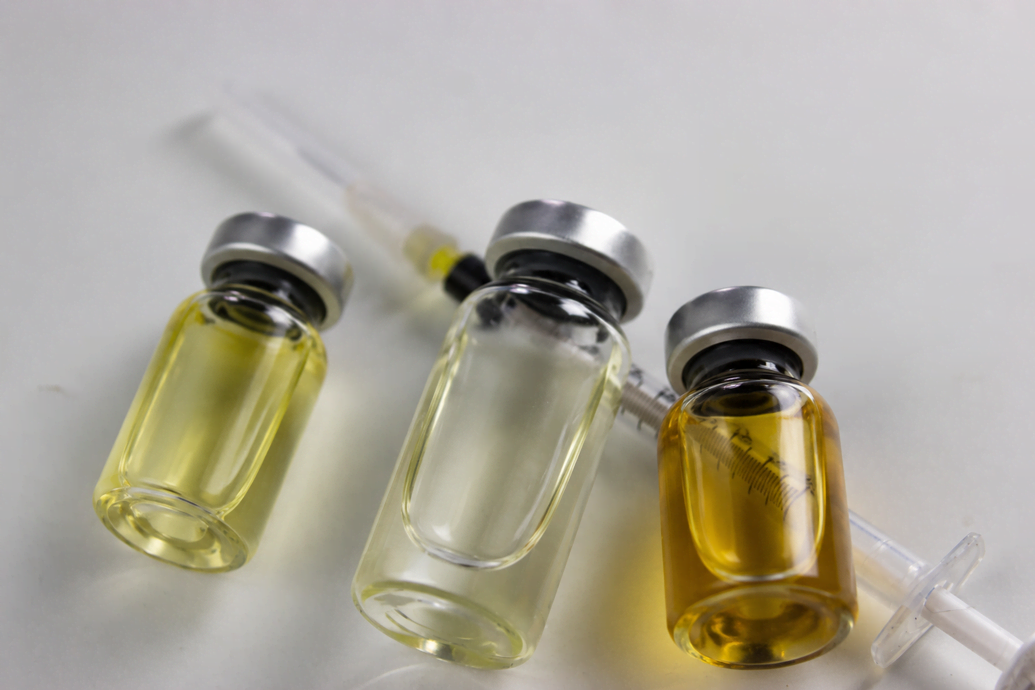
What Hormones Are Typically Included in a BHRT Protocol?
- Cheryl Felt
- July 19, 2026
- 10 min read
Bioidentical Hormone Replacement Therapy
Table of Contents
If you are exploring bioidentical hormone replacement therapy, one of the most practical questions you can ask is what hormones in a BHRT protocol actually look like. The answer is not the same for every patient, but understanding the most commonly included hormones, what each one does, and why a provider might include or exclude specific components helps you have a much more informed conversation before treatment begins.
1. Why BHRT Protocols Are Not One-Size-Fits-All
The word “protocol” can suggest a standardized plan, but in BHRT that is not how it works. Two women experiencing the same perimenopausal symptoms may have very different hormonal profiles driving those symptoms. One may have low estradiol with adequate progesterone. Another may have both declining estradiol and progesterone alongside low testosterone. A third may have thyroid dysfunction compounding her hormonal picture.
A properly designed BHRT protocol begins with a comprehensive blood panel that reveals which hormones are out of range, by how much, and in what pattern. That data, combined with a detailed symptom review and health history, determines which hormones are included, at what doses, and through what delivery method.
This is what distinguishes a well-managed BHRT program from a generic approach that applies the same estrogen and progesterone combination to every patient regardless of individual hormonal status.
2. Estradiol: The Primary Estrogen in BHRT
Estradiol is the most biologically active form of estrogen and the one most commonly included in BHRT for women. It is the estrogen that declines most significantly during perimenopause and menopause, and its reduction is directly responsible for many of the most disruptive symptoms of hormonal transition, including hot flashes, night sweats, vaginal dryness, sleep disruption, mood changes, and cognitive symptoms.
Bioidentical estradiol is molecularly identical to the estradiol your ovaries produce naturally. It is available in several delivery formats including transdermal creams, gels, patches, and pellets, as well as vaginal formulations for localized use.
The dose of estradiol in a BHRT protocol is calibrated to bring serum estradiol levels into the target range for the patient’s age and symptom profile, not to a standardized number. Regular monitoring ensures the dose remains appropriate as the patient’s hormonal landscape continues to evolve.
Estriol, a weaker form of estrogen, is sometimes included in compounded BHRT formulations alongside estradiol. Some providers favor combined estrogen preparations for specific clinical indications, though estradiol alone is the most commonly used estrogen component in BHRT.
3. Progesterone: The Balancing Hormone
Bioidentical progesterone is included in BHRT protocols for women who have a uterus because estrogen without progesterone increases the risk of endometrial hyperplasia. Beyond this protective role, progesterone has its own meaningful clinical benefits that make it valuable independent of estrogen balancing.
Progesterone has a naturally calming, sleep-supportive effect through its interaction with GABA receptors in the brain. Women who are given bioidentical progesterone as part of their BHRT protocol often report notable improvements in sleep quality, reduced anxiety, and better mood stability.
It also plays a role in bone density maintenance and breast tissue health, making it a well-rounded component of a comprehensive hormonal protocol rather than simply a protective addition to estrogen.
Bioidentical progesterone is available in oral capsule form, which is FDA-approved, as well as in compounded topical creams. Oral progesterone taken at night is a commonly used approach because of its sleep-supportive properties and because absorption is well-documented in this format.
It is important to distinguish bioidentical progesterone from synthetic progestins, which are structurally modified and used in conventional HRT. The two have different receptor binding profiles and different clinical effects. If you want a detailed breakdown of this distinction, our article on bioidentical vs synthetic hormones covers it thoroughly.
4. Testosterone: Often Overlooked in Women
Testosterone is produced in women by the ovaries and adrenal glands and plays important roles in libido, energy, mood, cognitive function, bone density, and lean muscle maintenance. It declines with age in women just as it does in men, though at lower absolute levels.
Despite its importance, testosterone is frequently left out of BHRT protocols or addressed as an afterthought. This is a meaningful gap for many women, particularly those who continue to experience low libido, fatigue, or cognitive symptoms even after estradiol and progesterone have been optimized.
Including low-dose bioidentical testosterone in a BHRT protocol for women who have confirmed low levels can produce significant improvements in these areas. Dosing is much lower than in male testosterone therapy and is calibrated to bring levels into the normal range for women rather than to male reference ranges.
According to a position statement from the International Society for the Study of Women’s Sexual Health, testosterone therapy in appropriately selected women produces meaningful improvements in sexual function and overall wellbeing, supporting its inclusion in BHRT protocols where indicated by lab results and symptoms.
5. DHEA: The Precursor Hormone
Testosterone is produced in women by the ovaries and adrenal glands and plays important roles in libido, energy, mood, cognitive function, bone density, and lean muscle maintenance. It declines with age in women just as it does in men, though at lower absolute levels.
Despite its importance, testosterone is frequently left out of BHRT protocols or addressed as an afterthought. This is a meaningful gap for many women, particularly those who continue to experience low libido, fatigue, or cognitive symptoms even after estradiol and progesterone have been optimized.
Including low-dose bioidentical testosterone in a BHRT protocol for women who have confirmed low levels can produce significant improvements in these areas. Dosing is much lower than in male testosterone therapy and is calibrated to bring levels into the normal range for women rather than to male reference ranges.
According to a position statement from the International Society for the Study of Women’s Sexual Health, testosterone therapy in appropriately selected women produces meaningful improvements in sexual function and overall wellbeing, supporting its inclusion in BHRT protocols where indicated by lab results and symptoms.
6. Thyroid Hormones: Sometimes Part of the Picture
Thyroid function is not a sex hormone but is intimately connected to the hormonal picture that BHRT addresses. Thyroid dysfunction, particularly hypothyroidism, can produce symptoms that overlap significantly with estrogen and testosterone deficiency, including fatigue, weight gain, cognitive slowness, and mood changes.
Many BHRT providers include a thyroid panel as part of the initial evaluation because untreated thyroid dysfunction can blunt the response to sex hormone optimization. In some cases, patients who feel they are not responding to BHRT as expected are found to have thyroid issues that were not previously identified or adequately treated.
Thyroid hormone replacement, when needed, typically involves T4, T3, or a combination, depending on the patient’s conversion patterns and individual response. This is managed in coordination with the broader hormonal protocol rather than in isolation.
For women whose symptoms include significant weight changes alongside other hormonal complaints, it is also worth exploring whether medical weight loss support plays a role in their overall care plan, particularly when thyroid or metabolic factors are contributing.
7. How a BHRT Protocol Is Assembled
A provider designing a BHRT protocol begins with a comprehensive blood panel covering estradiol, progesterone, total and free testosterone, DHEA-S, SHBG, thyroid markers, cortisol, and a metabolic panel. This data is reviewed alongside a detailed symptom history to identify which hormones are driving which symptoms.
The protocol that results specifies which hormones to include, at what doses, through which delivery method, and on what schedule. It also establishes the monitoring timeline, typically a four to six week initial check-in followed by a three month comprehensive review.
Protocols are adjusted as the patient’s response is assessed. The first iteration is rarely the final one. What makes a BHRT protocol effective over time is the willingness to refine it based on lab data and symptom feedback rather than leaving it static after the initial prescription.
8. Frequently Asked Questions
Does every BHRT protocol include the same hormones?
No. A BHRT protocol is built around the specific hormonal deficiencies and imbalances identified through lab work and symptom evaluation. Estradiol and progesterone are the most commonly included hormones for perimenopausal and menopausal women, but testosterone, DHEA, and thyroid support may or may not be part of the protocol depending on individual lab results and goals.
Why would testosterone be included in a BHRT protocol for a woman?
Testosterone plays important roles in women’s health including libido, energy, cognitive function, and muscle maintenance. When blood work confirms low testosterone in a woman experiencing symptoms consistent with deficiency, low-dose bioidentical testosterone is a clinically supported addition to a BHRT protocol. Dosing is carefully calibrated to female reference ranges rather than male levels.
Is a BHRT protocol the same as traditional HRT?
No. Traditional HRT commonly uses synthetic progestins and conjugated equine estrogens, which are structurally modified compounds. BHRT uses hormones that are molecularly identical to those the human body produces naturally. The delivery methods, dosing flexibility, and monitoring approach in BHRT also differ from conventional HRT in meaningful ways.
How long does it take for a BHRT protocol to produce results?
Most women begin noticing initial improvements within four to eight weeks of starting BHRT, with more consistent and comprehensive results developing over three to four months as hormone levels stabilize. The specific timeline depends on which hormones are included, the delivery method, and how closely the initial dosing matched the patient’s needs.
Can a BHRT protocol be changed after it starts?
Yes, and adjustment is expected. The first protocol is based on pre-treatment lab values and symptom reports. Follow-up lab work typically reveals how the body is responding and guides dose adjustments. Most patients go through at least one meaningful protocol refinement before their treatment is optimally calibrated.
What is the difference between a compounded BHRT protocol and FDA-approved options?
FDA-approved bioidentical hormones include certain estradiol and progesterone products available in standardized doses. Compounded BHRT formulations are prepared by licensed compounding pharmacies to allow for custom dosing and delivery methods not available in commercial products. Both can be appropriate depending on the patient’s specific hormonal needs.
Key Takeaways
A BHRT protocol is built around the specific hormones that are deficient or imbalanced for a given patient, as confirmed by blood work and assessed alongside symptoms. The most commonly included hormones are estradiol, progesterone, and testosterone, though DHEA and thyroid hormones may also be relevant depending on the individual. No hormone is universally included or excluded. The goal is to restore balance to the specific hormonal systems that are driving the patient’s symptoms, using the lowest effective dose of bioidentical hormones that achieves that outcome. A thorough lab evaluation before starting BHRT is the only way to determine which hormones are appropriate for a specific patient.
Talk to a Provider About Your BHRT Options.
If you are ready to explore whether bioidentical hormone replacement therapy is appropriate for your situation, speaking with a provider who designs individualized protocols based on your actual hormone levels is the most direct next step you can take.
Disclaimer: This content is for informational purposes only and does not constitute medical advice. The hormones appropriate for a BHRT protocol vary by individual and require clinical evaluation, lab work, and provider supervision to determine safely. Consult a qualified healthcare provider before beginning any hormone therapy.
References
- International Society for the Study of Women’s Sexual Health. Testosterone therapy position statement for women. https://www.isswsh.org/
- The Menopause Society. Hormone therapy for menopause management. https://www.menopause.org/for-women