How Is Peptide Therapy Administered and What Should You Expect?
- Cheryl Felt
- August 2, 2026
- 10 min read
Peptide Therapy
Table of Contents
- 1. Why Delivery Method Matters in Peptide Therapy
- 2. Subcutaneous Injection: The Most Common Method
- 3. Other Delivery Methods Used in Peptide Therapy
- 4. How Often Are Peptides Administered?
- 5. What the First Few Weeks of Treatment Feel Like
- 6. Practical Tips for Managing Your Protocol at Home
- 7. FAQ
Peptide therapy administration is one of the first practical questions patients ask once they have decided to move forward with treatment. You understand what peptides do. Now you want to know how they are actually delivered, how often, and what the experience of treatment looks and feels like day to day.
The answers depend partly on the specific peptides in your protocol, since different compounds use different delivery methods. Here is a clear breakdown of how peptide therapy is administered and what to realistically expect from the process.
1. Why Delivery Method Matters in Peptide Therapy
Peptides are short chains of amino acids that the body would otherwise digest if swallowed in most forms, just as it digests protein from food. This is why oral delivery is not the default method for most therapeutic peptides. The digestive system breaks them down before they can reach the bloodstream intact and produce their intended effect.
The delivery method used for any specific peptide is determined by its molecular structure, its target location in the body, and the clinical evidence for how it is most effectively absorbed. Providers select delivery methods based on which approach produces the most consistent and clinically meaningful bioavailability for the compounds in your protocol.
2. Subcutaneous Injection: The Most Common Method
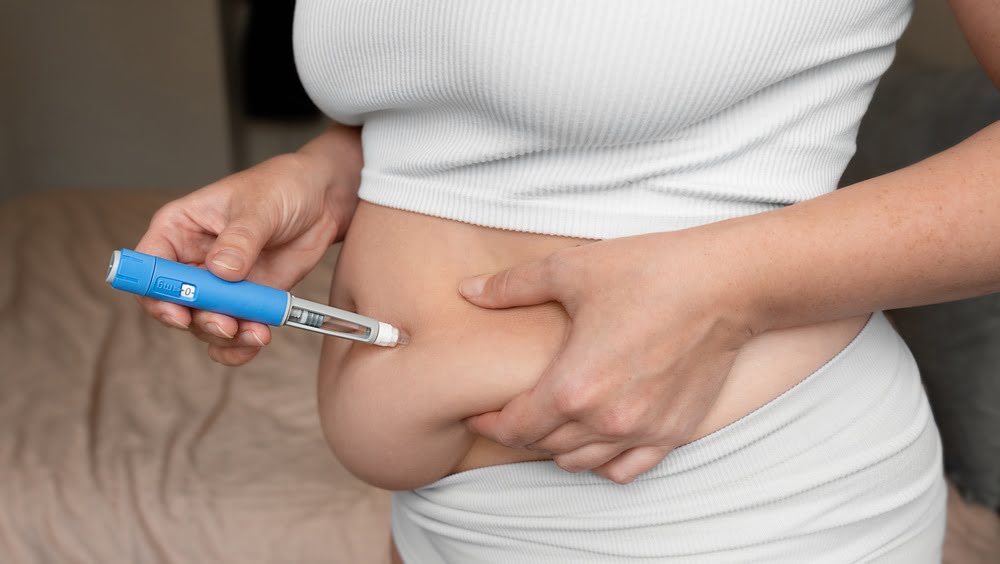
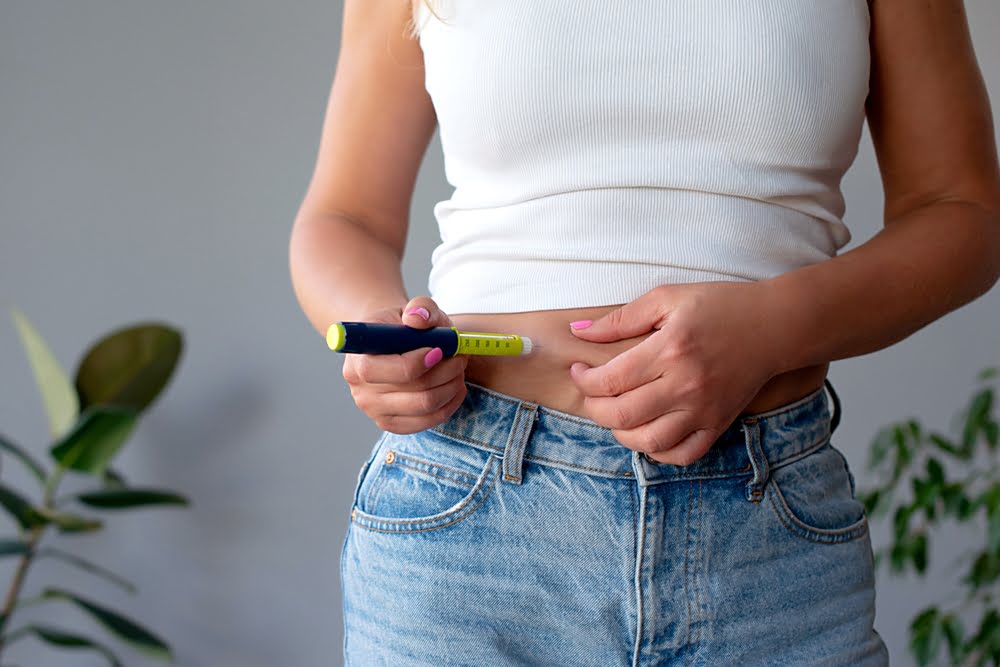
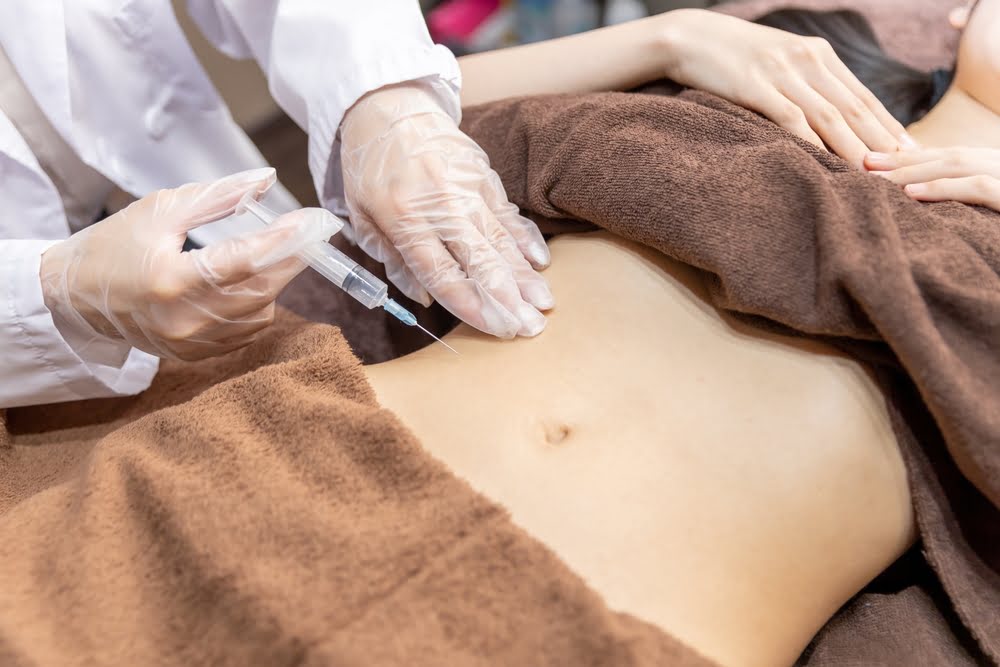
Subcutaneous injection, delivered into the fatty tissue just below the skin, is the most widely used method for peptide therapy administration. It is the standard for most growth hormone secretagogues including CJC-1295, ipamorelin, and sermorelin, as well as for tissue repair peptides like BPC-157 and TB-500.
The injections use very fine-gauge needles, typically 27 to 31 gauge, which are significantly thinner than standard medical syringes. Most patients compare the sensation to a mild pinch. The needle goes into the fatty layer just beneath the skin rather than into muscle, which reduces discomfort considerably compared to intramuscular injections.
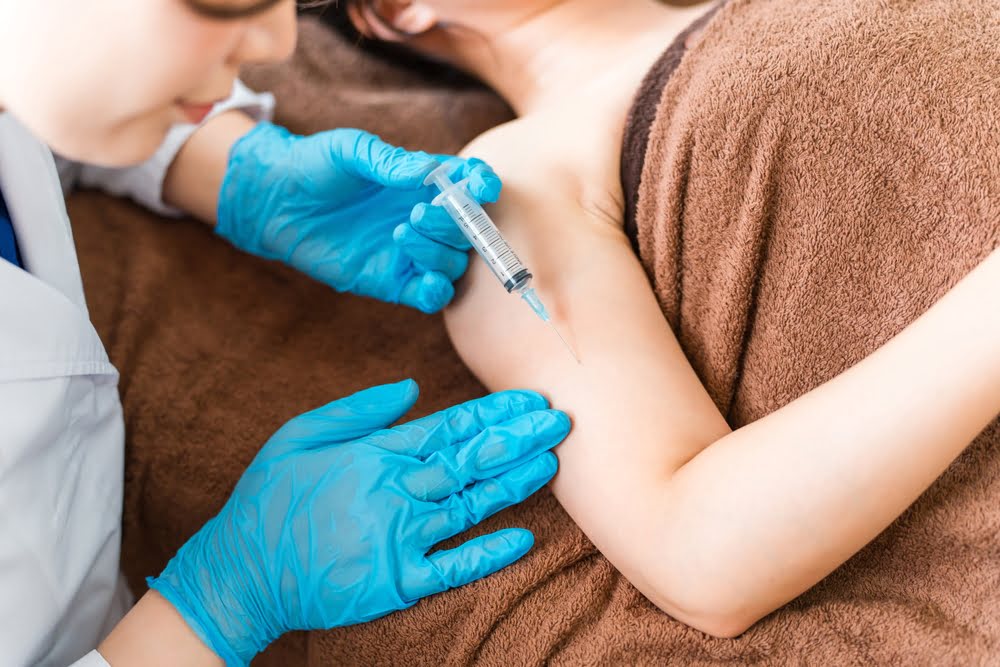
Common injection sites include the abdomen, outer thighs, and the fatty area of the upper arm. Rotating sites between injections helps prevent localized tissue irritation over time.
Self-administration is standard. Most patients are taught to administer their own injections at home after a brief instructional session with their provider or clinical staff. The process is straightforward once practiced a few times, and the vast majority of patients become comfortable with it within the first week. Needles and syringes are provided as part of the protocol, and proper disposal using a sharps container is part of the patient education process.
According to a clinical overview published by the National Institutes of Health, subcutaneous delivery of peptide compounds produces consistent absorption profiles that support predictable therapeutic effects, making it the preferred route for most systemically acting peptides used in clinical practice.
3. Other Delivery Methods Used in Peptide Therapy
While subcutaneous injection is the most common approach, several alternative delivery formats are used for specific peptides or patient situations.
Nasal sprays are used for certain peptides where intranasal delivery produces adequate bioavailability. Some providers use nasal administration for compounds like PT-141 in specific protocols, as the nasal mucosa provides direct absorption without the degradation that occurs through the gastrointestinal tract.
Oral capsules or troches are available for a small number of peptides that are stable enough to survive partial digestion or that are specifically designed for localized gut effects rather than systemic action. BPC-157, for example, has been studied in oral form for gut-specific applications.
Topical creams are occasionally used for certain peptides targeting skin health or localized tissue effects, though systemic bioavailability from topical application is generally lower than injectable methods.
Intravenous administration is used in some clinical research settings and for specific high-dose protocols, though it is not standard for outpatient peptide therapy programs.
Your provider will specify the appropriate delivery method for each compound in your protocol based on the clinical evidence for that specific peptide and your individual treatment goals.
4. How Often Are Peptides Administered?
Frequency of administration varies significantly depending on the peptide and the protocol design. Understanding the general patterns helps set expectations before treatment begins.
Daily administration is standard for many growth hormone secretagogue protocols. CJC-1295 with ipamorelin, for example, is commonly administered once daily, typically in the evening before bed to align with the body’s natural growth hormone release window during sleep. Some protocols call for two or three administrations per day depending on the patient’s goals and the specific compounds involved.
Every other day or a few times per week is the schedule for some tissue repair peptides. BPC-157 is sometimes administered daily during acute recovery phases and reduced to a less frequent schedule during maintenance.
Cycled protocols are common in growth hormone secretagogue therapy, where patients use the peptides for a defined period, typically three to six months, followed by a break before resuming. This cycling approach helps maintain the pituitary’s sensitivity to growth hormone releasing signals and is part of why peptide therapy produces sustainable rather than diminishing effects over time.
Your provider will establish the specific frequency and schedule for your protocol based on the compounds selected and your treatment goals. Following this schedule consistently is one of the most important factors in achieving the intended results.
5. What the First Few Weeks of Treatment Feel Like
Understanding what to expect in the early stages of a peptide protocol helps patients stay consistent through the period before noticeable results develop.
Week 1: Getting comfortable with the process. The first week is primarily about becoming comfortable with self-injection. Most patients report that the physical experience of injecting is considerably less daunting than anticipated. The main focus during this period is establishing the routine and learning the correct technique.
Weeks 2 to 3: Early physiological shifts. Some patients begin noticing subtle changes during this period, most commonly improved sleep quality and slightly better morning energy. These early signs reflect the initial hormonal response to the peptide protocol. Not everyone notices changes this early, and the absence of obvious early effects does not indicate the treatment is not working.
Week 4 and beyond: Building momentum. By the end of the first month, most patients have established a consistent routine and are beginning to notice more consistent changes in sleep, energy, and recovery. Body composition changes typically take longer, with more meaningful shifts becoming apparent between months two and four.
Some patients experience mild initial side effects including slight water retention, vivid dreams, or transient tingling sensations, particularly with growth hormone secretagogue protocols. These effects are generally mild and resolve as the body adjusts.
For context on what results typically look like across the full treatment timeline, our guide on the peptide therapy timeline provides a detailed breakdown of what to expect from week one through month six.
For additional clinical context on the pharmacokinetics of subcutaneous peptide delivery, the American Journal of Clinical Nutrition provides relevant research on absorption and bioavailability considerations in peptide-based treatments.
6. Practical Tips for Managing Your Protocol at Home
Patients who manage their peptide therapy administration consistently and correctly get better results than those who approach it casually. Several practical habits make a meaningful difference.
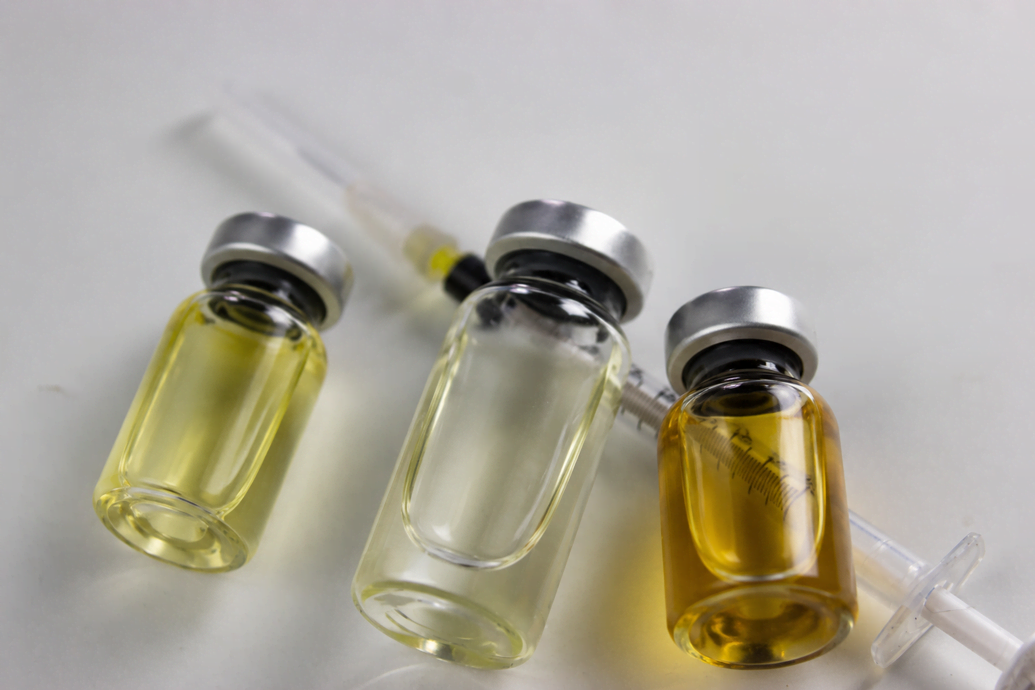
Store peptides correctly. Most reconstituted peptides require refrigeration and have a limited shelf life once mixed. Follow your provider’s storage instructions precisely to preserve potency.
Inject at a consistent time. Timing matters for many peptide protocols. Growth hormone secretagogues are most effective when administered in the evening to align with the natural nocturnal growth hormone release window. Inconsistent timing reduces the predictability of results.
Rotate injection sites. Using the same site repeatedly causes localized tissue irritation and can affect absorption. Rotating between the abdomen, outer thigh, and upper arm on a regular schedule avoids this problem.
Track your experience. Keeping brief notes on sleep quality, energy levels, recovery, and any side effects during the first three months helps your provider make informed adjustments at follow-up appointments.
Communicate with your provider. Any unusual reactions, persistent side effects, or questions about the protocol should be directed to your provider rather than managed independently. Adjustments based on your response are a normal part of protocol management.
7. Frequently Asked Questions
Does subcutaneous injection hurt?
Most patients report minimal discomfort. The fine-gauge needles used for subcutaneous injection produce a brief, mild pinch sensation. Injection into the abdomen or outer thigh is generally the most comfortable approach. Patients who are apprehensive before starting almost universally report that the physical experience is far less uncomfortable than they expected.
Can someone else administer the injections for me?
Yes, a family member or caregiver can be trained to administer injections if self-injection is not possible. Your provider can include this person in the instruction session. However, most patients find self-injection straightforward enough that assistance is not necessary.
What happens if I miss a dose?
Missing occasional doses has a limited impact on overall results as long as the protocol is followed consistently the majority of the time. Do not double-dose to compensate for a missed injection. Simply resume your regular schedule at the next scheduled time and inform your provider if missed doses become frequent.
How long do I need to continue administering the injections to see results?
Most peptide protocols require a minimum of eight to twelve weeks of consistent administration before meaningful clinical results are fully apparent. Body composition changes typically require three to six months. Short-term or inconsistent use significantly reduces the benefits of treatment.
Are there any injection site reactions to watch for?
Mild redness, slight swelling, or minor bruising at the injection site are common and typically resolve within a day or two. Significant swelling, persistent redness, warmth, or signs of infection warrant prompt contact with your provider. Rotating injection sites consistently reduces the likelihood of localized reactions.
Can the delivery method change during treatment?
Yes. Providers sometimes adjust delivery methods based on how a patient is responding to treatment, patient preference, or changes in the compounds included in the protocol. Any changes to administration method should be discussed with and directed by your provider.
Key Takeaways
Peptide therapy administration most commonly involves subcutaneous self-injection, which patients learn to perform at home after initial provider instruction. The frequency of administration varies by peptide and protocol, typically ranging from daily to a few times per week. Most patients report minimal discomfort with subcutaneous injections once they are comfortable with the process. The first two to four weeks are primarily an adjustment period where the body adapts to new hormonal signals. Results develop gradually over months rather than days. Consistent adherence to the prescribed schedule is one of the most important factors in how well a peptide protocol performs.
Have Questions? Our Team Can Help.
If you are ready to learn more about what a personalized peptide therapy protocol looks like for your specific goals, speaking with a qualified provider is the most direct next step.
Disclaimer: This content is for informational purposes only and does not constitute medical advice. Peptide therapy administration methods and schedules vary based on individual protocols, compounds used, and provider guidance. Consult a qualified healthcare provider before beginning any peptide therapy treatment.
References
- National Institutes of Health. Subcutaneous peptide delivery and absorption profiles. https://www.ncbi.nlm.nih.gov/pmc/articles/PMC6604678/
- American Journal of Clinical Nutrition. Bioavailability considerations in peptide-based treatments. https://academic.oup.com/ajcn/article/85/4/954/4633006