Peptide Therapy for Men: What It Does and Who It Helps
Peptide therapy for men has become one of the more talked-about approaches in men’s health and performance optimization, and for good reason. As men age, several key biological processes slow down, including growth hormone production, muscle protein synthesis, and tissue repair. Peptides offer a targeted way to support these functions without the risks associated with more aggressive hormonal interventions.
If you have been hearing more about peptides but are not sure what they actually do or whether they apply to your situation, this guide breaks it down clearly.
What Makes Peptide Therapy Relevant for Men Specifically?
Men experience a predictable set of physiological changes as they get older. Testosterone begins declining around age 30. Growth hormone output drops significantly after the mid-twenties. Recovery from exercise takes longer. Body composition shifts toward more fat and less muscle even without changes in diet or activity level.
These are not just signs of aging. They are signals that the body’s internal communication systems are operating at a reduced capacity. Peptides work by restoring or amplifying specific signals that have diminished over time.
For men, the most clinically relevant peptide applications tend to center on four areas: body composition, physical performance and recovery, energy and cognitive function, and sexual health.
How Peptide Therapy Works
Peptides are short chains of amino acids that act as messenger molecules in the body. Rather than introducing a hormone directly, most therapeutic peptides stimulate your body to produce or release more of what it already makes naturally.
For example, peptides that stimulate growth hormone release do not add synthetic growth hormone to your system. They signal your pituitary gland to produce and release more of its own. This distinction matters because it means the body retains its natural feedback mechanisms, which reduces the risk of overproduction and supports a more balanced hormonal environment.
Different peptides are designed for different purposes. Your provider selects a protocol based on your specific health goals, lab results, and current physical condition.
Key Benefits of Peptide Therapy for Men
Improved Body Composition
One of the most common reasons men explore peptide therapy is its effect on body composition. Specific peptides that stimulate growth hormone release have been associated with reductions in visceral fat and improvements in lean muscle mass, particularly when combined with consistent resistance training.
This is not a shortcut. It is a tool that, when combined with appropriate exercise and nutrition, can produce results that diet and training alone may struggle to achieve once natural hormone levels have declined.
Faster Recovery From Exercise
Recovery is one of the most underappreciated factors in physical performance. As men age, the ability to repair muscle tissue after training slows, which limits how frequently and intensely they can train productively.
Peptides that support tissue repair and reduce inflammation, such as BPC-157, have shown promise in supporting faster recovery from both exercise and injury. Men who train regularly or have chronic joint issues often report this as one of the most noticeable early benefits of treatment.
According to research highlighted by the National Institutes of Health, certain peptides demonstrate significant regenerative properties in soft tissue, supporting the biological case for their use in recovery-focused protocols.
Increased Energy and Mental Clarity
Growth hormone plays a significant role in energy regulation and cognitive function. When production declines, the effects extend beyond the gym. Men commonly report fatigue, mental fog, difficulty concentrating, and reduced motivation.
Peptides that support growth hormone output often produce improvements in energy and cognitive clarity as the growth hormone levels begin to normalize. These are frequently among the first changes men notice during treatment.
Support for Sexual Health
Testosterone and growth hormone work together to support libido, sexual function, and overall vitality. Some peptides directly support pathways involved in sexual health, making them a relevant consideration for men experiencing declines in this area.
It is worth noting that peptide therapy and testosterone replacement therapy are not mutually exclusive. Many men benefit from a combined protocol that addresses multiple aspects of hormonal health simultaneously.
Support for Sleep Quality
Growth hormone is predominantly released during deep sleep. As growth hormone output declines, sleep quality often does as well. Peptides that stimulate growth hormone release frequently improve sleep depth and duration, creating a positive feedback loop where better sleep supports further hormonal recovery.
Who Is a Good Candidate for Peptide Therapy?
Peptide therapy for men is generally well-suited for individuals who:
- Are 30 or older and noticing changes in energy, body composition, or recovery
- Have confirmed low growth hormone or IGF-1 levels through blood testing
- Are physically active but struggling to see results consistent with their effort
- Want to optimize performance and recovery without synthetic hormones
- Are experiencing age-related fatigue, cognitive fog, or reduced libido
- Are already on TRT and want to address additional aspects of their health
It is not a one-size-fits-all treatment. A thorough evaluation by a qualified provider is essential to determine which peptides are appropriate, at what doses, and for how long.
What Does a Peptide Therapy Protocol Look Like for Men?
While protocols vary significantly based on individual goals and health status, most follow a general structure.
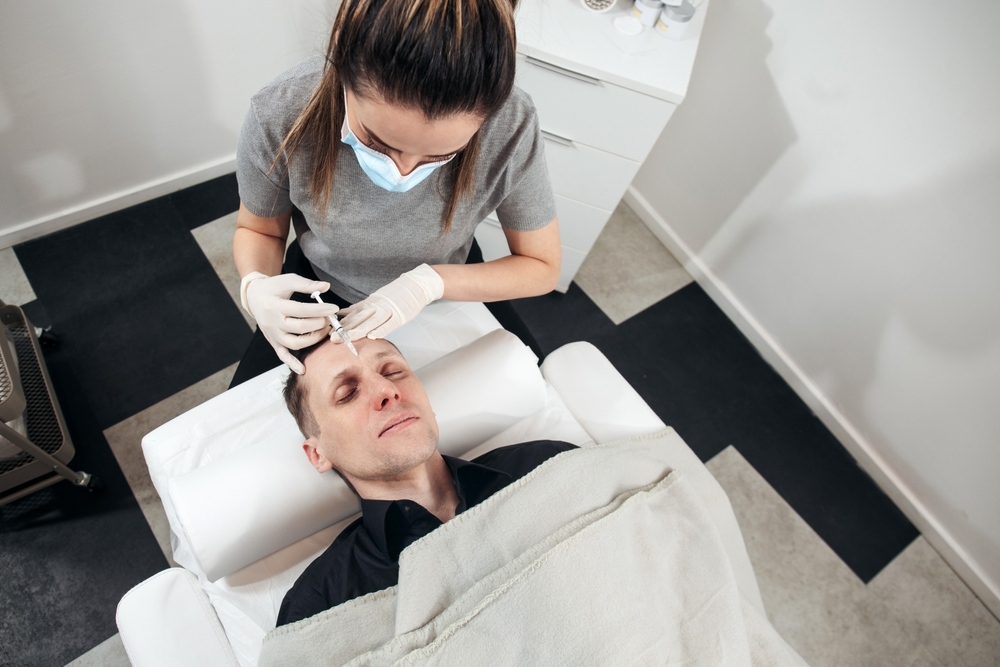
An initial consultation involves reviewing health history, symptoms, and relevant lab work including hormone panels and IGF-1 levels. Based on this evaluation, a provider selects the appropriate peptides and delivery method, most commonly subcutaneous injection for peptides that require precise bioavailability.
Treatment is typically conducted in cycles, often three to six months on followed by a break, though this varies by peptide type and clinical response. Regular follow-up appointments allow the provider to monitor results and adjust the protocol as needed.
For more context on how growth hormone peptides are evaluated and applied in clinical settings, the American Academy of Anti-Aging Medicine provides educational resources on peptide-based protocols for men’s health optimization.
Peptide Therapy vs Testosterone Replacement Therapy: Are They the Same?
No, and understanding the difference matters. Testosterone replacement therapy addresses a specific hormonal deficit by supplementing testosterone directly. Peptide therapy, in most cases, works upstream by stimulating natural hormone production rather than replacing it.
The two approaches target different systems and can complement each other effectively. A man with both low testosterone and declining growth hormone output may benefit from a protocol that incorporates both TRT and peptide therapy, with each component addressing a distinct aspect of his health.
Your provider will evaluate which approach, or combination of approaches, is appropriate based on your individual lab results and symptoms.
Frequently Asked Questions
Is peptide therapy safe for men?
When prescribed and monitored by a qualified healthcare provider, peptide therapy has a well-established safety profile. As with any treatment, appropriate patient selection, correct dosing, and regular monitoring are essential. Self-administering peptides obtained without medical supervision carries significant risks and is not recommended.
How long before men notice results from peptide therapy?
Most men begin noticing initial changes between weeks two and four of treatment, with more significant results developing between months two and four. Improvements in sleep quality and recovery are often among the earliest reported changes.
Can peptide therapy help men lose belly fat?
Certain peptides that stimulate growth hormone release have been associated with reductions in visceral fat, particularly when combined with appropriate exercise and nutrition. Peptide therapy is not a standalone weight loss solution, but it can support meaningful body composition changes as part of a comprehensive approach.
Do you need to inject peptides?
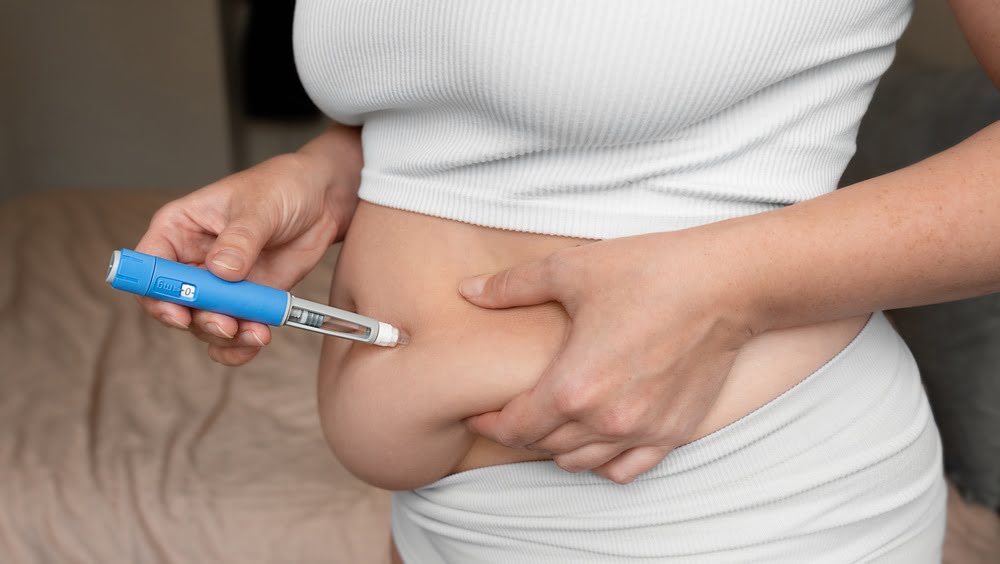
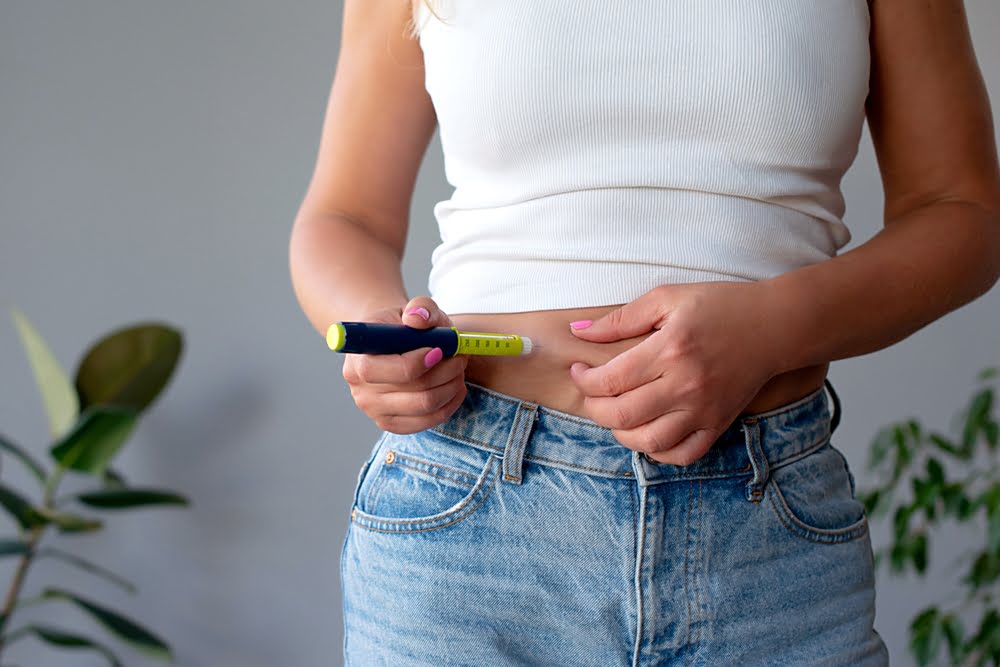
Many therapeutic peptides are administered via subcutaneous injection because oral delivery significantly reduces their bioavailability. Some peptide formats, including certain nasal sprays and oral preparations, are available, but injectable delivery is generally considered the most effective method for peptides requiring systemic action.
Can men on TRT also use peptide therapy?
Yes. Many men combine TRT with peptide therapy as part of a broader health optimization protocol. The two treatments address different systems and can work together effectively when managed by an experienced provider.
Is peptide therapy only for older men?
No. While men over 35 are the most common candidates due to age-related hormonal decline, men in their late twenties can also benefit if lab results and symptoms indicate appropriate indications. The right age to explore peptide therapy is when symptoms and lab values suggest the treatment would be clinically relevant.
A Targeted Approach to Men's Health
Peptide therapy for men is not about finding a shortcut. It is about addressing the biological changes that make it harder to feel and perform at your best as you get older. When the right peptides are matched to the right patient and properly monitored, the results can be meaningful and sustainable.
If you are curious whether peptide therapy fits your health goals, speaking with a provider who specializes in men’s hormonal health is the right first step. A personalized evaluation will tell you far more than any general overview can.
Disclaimer
This content is for informational purposes only and does not constitute medical advice. Consult a qualified healthcare provider before beginning any treatment.