BHRT for Perimenopause: What It Is and How It Helps
BHRT for perimenopause is one of the most searched topics among women in their late thirties, forties, and early fifties, and for good reason. Perimenopause is the transitional phase leading up to menopause, and for many women, it brings a collection of symptoms that are disruptive enough to affect sleep, work, relationships, and overall quality of life.
Understanding what is happening hormonally during this phase and how bioidentical hormone replacement therapy can help is the foundation of making an informed decision about your care.
What Is Perimenopause?
Perimenopause is the years-long transition period that precedes menopause, during which the ovaries gradually produce less estrogen and progesterone. It typically begins in the mid-to-late forties, though some women experience it as early as their mid-thirties.
Unlike menopause, which is defined as 12 consecutive months without a menstrual period, perimenopause is a process rather than a single event. Hormone levels during this phase do not decline in a straight line. They fluctuate irregularly, which is why symptoms can vary so much in type and intensity from one week to the next.
This hormonal unpredictability is precisely what makes perimenopause so difficult to manage through lifestyle adjustments alone.
Common Symptoms of Perimenopause
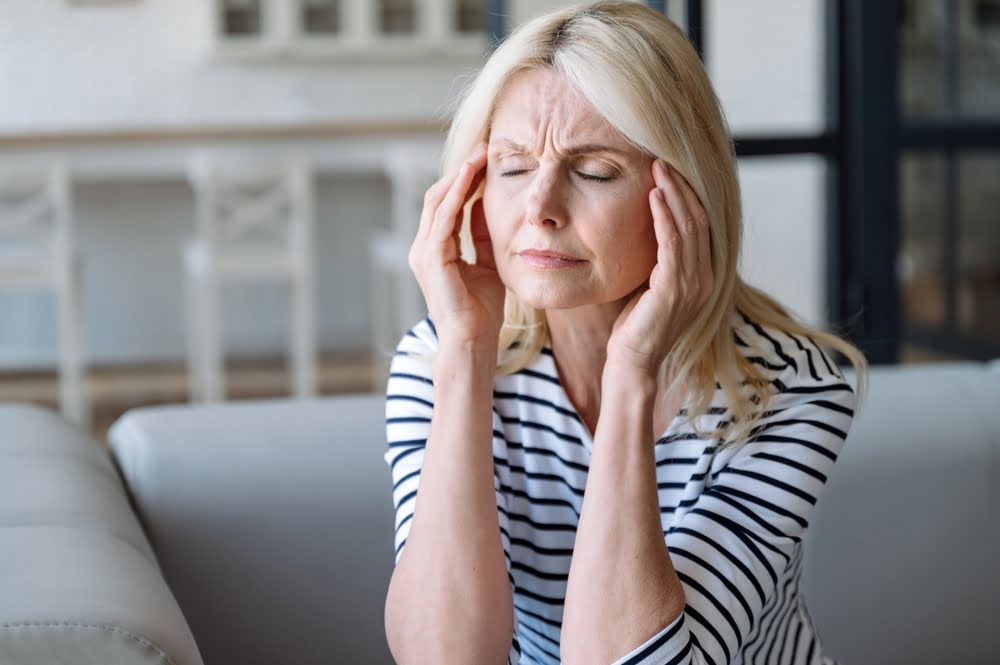
The symptoms of perimenopause vary widely between women, but the most frequently reported include:
- Hot flashes and night sweats
- Disrupted sleep and insomnia
- Mood swings, irritability, and anxiety
- Irregular menstrual cycles
- Vaginal dryness and discomfort
- Reduced libido
- Fatigue and low energy
- Brain fog and difficulty concentrating
- Weight gain, particularly around the abdomen
- Joint aches and changes in skin quality
Not every woman experiences all of these, and the severity differs significantly from person to person. However, when multiple symptoms are present and affecting daily functioning, hormonal evaluation becomes a practical and reasonable step.
What Is BHRT and How Does It Apply to Perimenopause?
Bioidentical hormone replacement therapy uses hormones that are molecularly identical to the ones your body produces naturally. In the context of perimenopause, BHRT most commonly involves estradiol and progesterone, and sometimes testosterone, depending on the individual’s lab results and symptoms.
The goal of BHRT for perimenopause is not to stop the natural aging process. It is to stabilize the hormonal fluctuations that cause symptoms, so that the body can transition more smoothly rather than experiencing the abrupt swings that produce the most disruptive effects.
Because bioidentical hormones match the molecular structure of your own hormones, they are designed to interact with your receptors in the same way your natural hormones would. This is the core distinction between BHRT and conventional synthetic hormone therapy. If you want a deeper breakdown of that difference, our guide on bioidentical vs synthetic hormones covers it in full detail.
How BHRT Helps Specific Perimenopause Symptoms
Hot Flashes and Night Sweats
Vasomotor symptoms, including hot flashes and night sweats, are among the most common reasons women seek treatment during perimenopause. They are driven by declining and fluctuating estrogen levels that disrupt the body’s temperature regulation.
Estrogen therapy, including bioidentical estradiol, is the most clinically established treatment for vasomotor symptoms. Research published by the North American Menopause Society consistently supports hormone therapy as the most effective available treatment for hot flashes and night sweats in perimenopausal and menopausal women.
Sleep Disruption
Sleep problems during perimenopause have multiple hormonal drivers. Progesterone has a naturally calming, sleep-supporting effect, and its decline contributes directly to the insomnia and restless sleep that many women experience. Night sweats further interrupt sleep cycles.
Bioidentical progesterone supplementation has been shown to improve sleep quality in perimenopausal women. Restoring this hormone to a more functional level addresses both the neurological and temperature-related components of sleep disruption.
Mood Changes and Anxiety
Estrogen influences serotonin and other neurotransmitters that regulate mood. As estrogen fluctuates during perimenopause, mood instability, heightened anxiety, and irritability can result. These are not psychological weaknesses. They are physiological responses to hormonal change.
Stabilizing estrogen levels through BHRT often produces meaningful improvements in mood and emotional resilience, particularly when the hormonal component is a primary driver of the symptoms.
Brain Fog and Concentration
Cognitive symptoms during perimenopause are frequently underrecognized and dismissed. Difficulty with memory, word retrieval, and sustained concentration are real and common complaints that have a hormonal basis.
Estrogen plays a role in neurological function, and restoring more stable levels often improves cognitive clarity. Women who report significant brain fog alongside other perimenopausal symptoms frequently note this as one of the most meaningful improvements during BHRT.
Libido and Vaginal Health
Declining estrogen and testosterone both contribute to reduced libido and changes in vaginal tissue during perimenopause. Vaginal dryness, discomfort during intimacy, and reduced interest in sex are among the symptoms that most significantly affect quality of life and relationships.
A well-designed BHRT protocol that addresses both estrogen and testosterone levels can meaningfully improve these symptoms, though the appropriate approach varies by individual.
How BHRT for Perimenopause Is Personalized
One of the strengths of bioidentical hormone therapy is its capacity for individualization. Rather than starting every woman on the same standard dose, a qualified BHRT provider evaluates hormone levels through blood testing, reviews symptoms, considers health history, and designs a protocol specific to that patient.
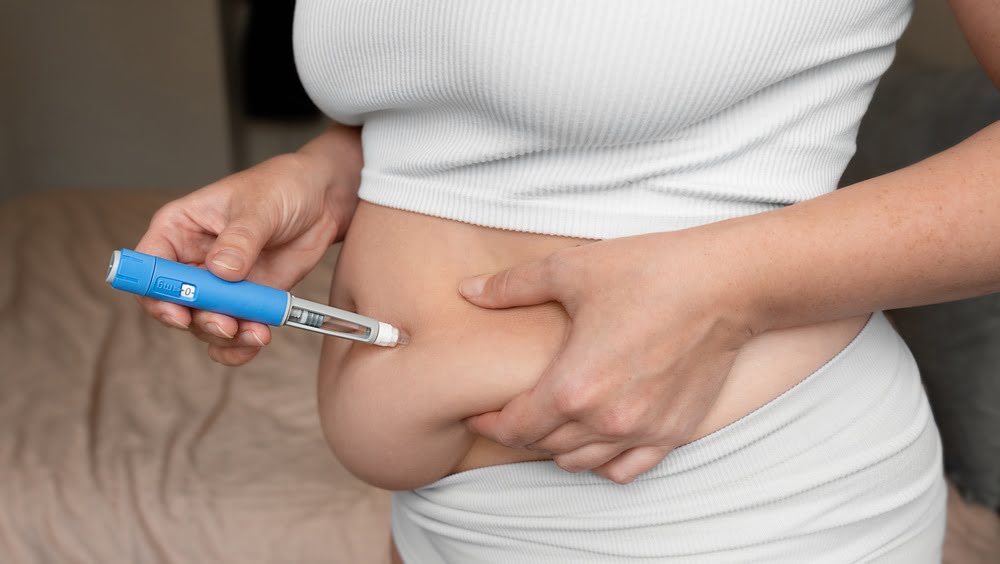
This might mean a combination of estradiol and progesterone for one woman, and a protocol that adds testosterone for another. Delivery methods also vary. Topical creams, troches, patches, and pellets are all options, and the right choice depends on patient preference, lifestyle, and clinical considerations.
Monitoring is an ongoing part of the process. Labs are typically rechecked every three to six months initially to assess response and make adjustments as needed.
For women seeking an evidence-based overview of hormone therapy during the perimenopausal transition, the Menopause Society’s clinical resources offer accessible and well-sourced information.
Frequently Asked Questions
When should a woman consider BHRT for perimenopause?
There is no single right answer, but most providers consider BHRT when symptoms are significantly affecting quality of life and when lab work confirms hormonal changes consistent with perimenopause. Women do not need to wait until full menopause to seek evaluation and treatment.
Is BHRT safe during perimenopause?
BHRT has a well-established safety profile when prescribed and monitored by a qualified provider. Individual risk factors, including personal and family health history, influence the benefit-risk balance and should be discussed thoroughly during the evaluation process.
How long does it take for BHRT to relieve perimenopause symptoms?
Many women begin noticing improvements within four to eight weeks of starting a properly dosed BHRT protocol. Sleep improvements and hot flash reduction are often reported among the earliest changes. Full stabilization of symptoms typically develops over two to four months.
Does BHRT help with weight gain during perimenopause?
Hormonal changes during perimenopause contribute to changes in metabolism and fat distribution, particularly around the abdomen. Restoring hormonal balance through BHRT can support more efficient metabolism, though it works best alongside appropriate nutrition and activity habits.
Can women use BHRT and stay on it long-term?
Many women continue BHRT well beyond the perimenopausal transition based on ongoing symptom management and quality of life considerations. The decision about duration should be made collaboratively with a provider who monitors your health and adjusts treatment as your needs evolve.
What is the difference between BHRT and birth control pills for managing perimenopause symptoms?
Birth control pills use synthetic hormones at doses designed for contraception, not symptom management during perimenopause. BHRT uses bioidentical hormones at doses calibrated to your specific hormone levels and symptoms. They serve different purposes, and BHRT is specifically designed for the hormonal transition women experience during this life stage.
You Do Not Have to Wait It Out
Many women are told that perimenopause symptoms are simply something to endure. That is not the only option. BHRT for perimenopause offers a personalized, evidence-informed approach to managing the hormonal fluctuations that drive the most disruptive symptoms of this transition.
If you are experiencing symptoms that are affecting your sleep, mood, energy, or daily functioning, a consultation with a provider who specializes in women’s hormonal health is a reasonable and productive next step. An evaluation will tell you exactly where your hormone levels stand and what options are available to help you feel better.
Disclaimer
This content is for informational purposes only and does not constitute medical advice. Consult a qualified healthcare provider before beginning any treatment.